
Located in the center of Jaipur, City Palace is one of Rajasthan’s most remarkable royal residences. A blend of Rajput, Mughal, and European architectural styles, the palace complex continues to serve as the residence of Jaipur’s royal family while welcoming visitors from around the world.
For travelers seeking history, culture, architecture, and photography opportunities, City Palace is among the most rewarding attractions in Jaipur.
History of City Palace Jaipur

City Palace was established in the early 18th century when Jaipur’s founder, Maharaja Sawai Jai Singh II, shifted his capital from Amber to Jaipur. Construction began around 1727 and continued over several decades.
The palace was designed as the administrative and ceremonial center of the newly planned city. Over the centuries, successive rulers expanded the complex by adding courtyards, gates, museums, and residential buildings.
Today, City Palace stands as a living heritage site where history and royal traditions continue to coexist.
Historical Significance
City Palace reflects the rise of Jaipur as one of India’s most influential princely states.
Historically, the palace served as:
- Residence of Jaipur’s royal family
- Administrative headquarters of the kingdom
- Venue for royal ceremonies and state functions
- Center of political and cultural activities in Rajasthan
The palace played a vital role during the British Raj and remains closely associated with Rajasthan’s royal heritage.
Architectural Significance

City Palace is widely admired for its harmonious blend of architectural traditions.
Highlights include:
Rajput Architecture
- Ornate balconies (jharokhas)
- Intricately carved marble work
- Decorative courtyards
Mughal Influences
- Symmetrical gardens
- Decorative archways
- Detailed floral motifs
European Elements
- Spacious halls
- Large ceremonial chambers
- Victorian-inspired additions
The fusion of these styles creates a unique architectural identity rarely found elsewhere in India.
About the Founder: Maharaja Sawai Jai Singh II
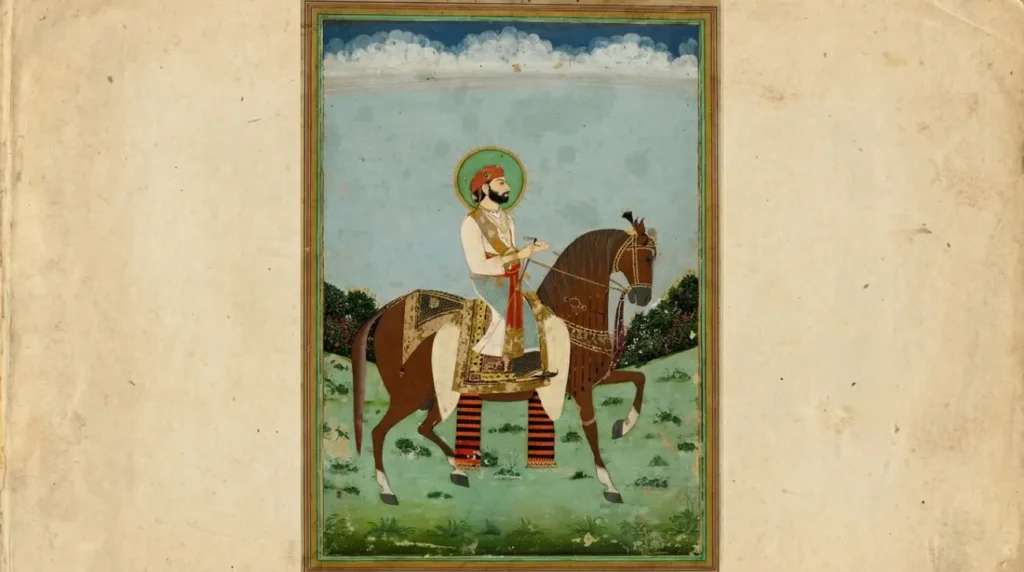
Maharaja Sawai Jai Singh II was one of India’s most visionary rulers.
Known for:
- Founding Jaipur in 1727
- Establishing the famous Jantar Mantar observatories
- Advancing astronomy and mathematics
- Planning Jaipur according to Vastu Shastra and urban design principles
His legacy remains visible throughout Jaipur, particularly in City Palace and Jantar Mantar.
What to See Inside City Palace

Mubarak Mahal
Originally built as a reception hall for visiting dignitaries, Mubarak Mahal now houses a textile museum featuring royal garments, ceremonial robes, and historic costumes.
Highlights
- Royal clothing collection
- Pashmina shawls
- Traditional textiles
- Historic royal attire
Chandra Mahal
The most iconic structure within the palace complex.
Although most floors remain private, visitors can access selected areas through premium tickets.
Highlights
- Royal apartments
- Historic artifacts
- Stunning city views
- Exclusive royal sections
Pritam Niwas Chowk
One of the most photographed areas in Jaipur.
The courtyard features four beautifully decorated gates representing the seasons and Hindu deities.
Famous Gates
- Peacock Gate
- Lotus Gate
- Rose Gate
- Green Gate
Diwan-i-Khas
The Hall of Private Audience contains two of the world’s largest sterling silver vessels.
Highlights
- Massive silver urns
- Royal ceremonial objects
- Historical displays
Diwan-i-Aam
The Hall of Public Audience displays royal weapons, manuscripts, and artifacts from Jaipur’s history.
Palace Museum
The museum showcases:
- Royal weapons
- Paintings
- Manuscripts
- Carpets
- Decorative arts
How to Book a City Palace Visit

Visitors can book tickets through:
Online Booking
Recommended for international travelers during peak season.
Benefits:
- Skip ticket queues
- Secure preferred entry date
- Easier trip planning
On-Site Ticket Counter
Tickets are available at the entrance subject to availability.
Through a Guided Tour
Many travelers prefer booking through a local tour operator or government-certified guide for a richer cultural experience and efficient itinerary planning.
City Palace Timings
Day Visit
- 9:30 AM to 5:00 PM
Evening Experiences
Special evening programs and cultural experiences may operate on selected dates.
Timings can change during festivals and special events.
Ticket Categories
General Admission
Access to museums, courtyards, and major public sections.
Royal Grandeur Ticket
Includes access to premium areas of Chandra Mahal and exclusive royal sections.
Student Tickets
Available upon presentation of valid identification where applicable.
Ticket prices are periodically revised by palace management.
Visitor Facilities
Professional Tour Guides
Guided tours are available at the palace.
Benefits include:
- Historical insights
- Architectural explanations
- Cultural context
- Better visitor experience
Many international visitors also choose government-certified tour guides for personalized sightseeing.
Food and Dining
Several cafés and restaurants are available near the palace complex.
Visitors can enjoy:
- Traditional Rajasthani cuisine
- North Indian dishes
- International food options
- Coffee and refreshments
Wheelchair Accessibility
Most public areas of City Palace are accessible.
Facilities generally include:
- Wheelchair-friendly pathways
- Accessible entry points
- Visitor assistance where available
Travelers with mobility concerns should verify accessibility arrangements before visiting.
Facilities for Senior Citizens
Senior visitors can comfortably explore the palace with:
- Seating areas
- Restrooms
- Guided assistance
- Short walking routes
Morning visits are recommended during warmer months.
Best Photography Spots

City Palace is one of Jaipur’s most photogenic attractions.
Top Photography Locations
Peacock Gate
The most famous photo spot in the palace.
Mubarak Mahal Courtyard
Excellent architectural compositions.
Chandra Mahal Exterior
Beautiful royal architecture.
Diwan-i-Khas
Historic interiors and silver urns.
Palace Corridors
Ideal for portrait and cultural photography.
Courtyard Arches
Popular among travel photographers and influencers.
Nearby Places to Visit
Hawa Mahal
Located a short walk from City Palace, Hawa Mahal is Jaipur’s most recognizable landmark and a masterpiece of Rajput architecture.
Recommended Visit Duration
45–60 minutes
Jantar Mantar
A UNESCO World Heritage Site featuring astronomical instruments built by Maharaja Sawai Jai Singh II.
Recommended Visit Duration
1–2 hours
Old Jaipur City
Explore the vibrant Pink City markets and cultural neighborhoods.
Highlights:
- Johari Bazaar
- Bapu Bazaar
- Traditional handicrafts
- Street food experiences
Suggested Half-Day Jaipur Heritage Circuit
- City Palace
- Jantar Mantar
- Hawa Mahal
- Old Jaipur Markets
This combination provides an excellent introduction to Jaipur’s royal history, architecture, culture, and local life.
Need a Guided City Palace Experience?
For international travelers from the USA, UK, Canada, and Australia, a government-certified local guide can significantly enhance the visit by providing historical context, assistance with ticketing, photography guidance, and insights into Jaipur’s royal heritage that are often missed during self-guided visits.